


In the Wake: Japanese Photographers Respond to 3-11
In the Wake: Japanese Photographers Respond to 3-11
Couldn't load pickup availability
Author(s): Anne Nishimura Morse, Anne Havinga, Michio Hayashi, Marilyn Ivy, Tomoko Nagakura
Publication year: 2015
Publication date: 2015-05-26
Pages: 208
Binding: Hardcover
Language: English
Publisher: MFA Publications, Museum of Fine Arts, Boston
ISBN: 9780878468270Dimensions: 9.0 x 0.9 x 12.6 in
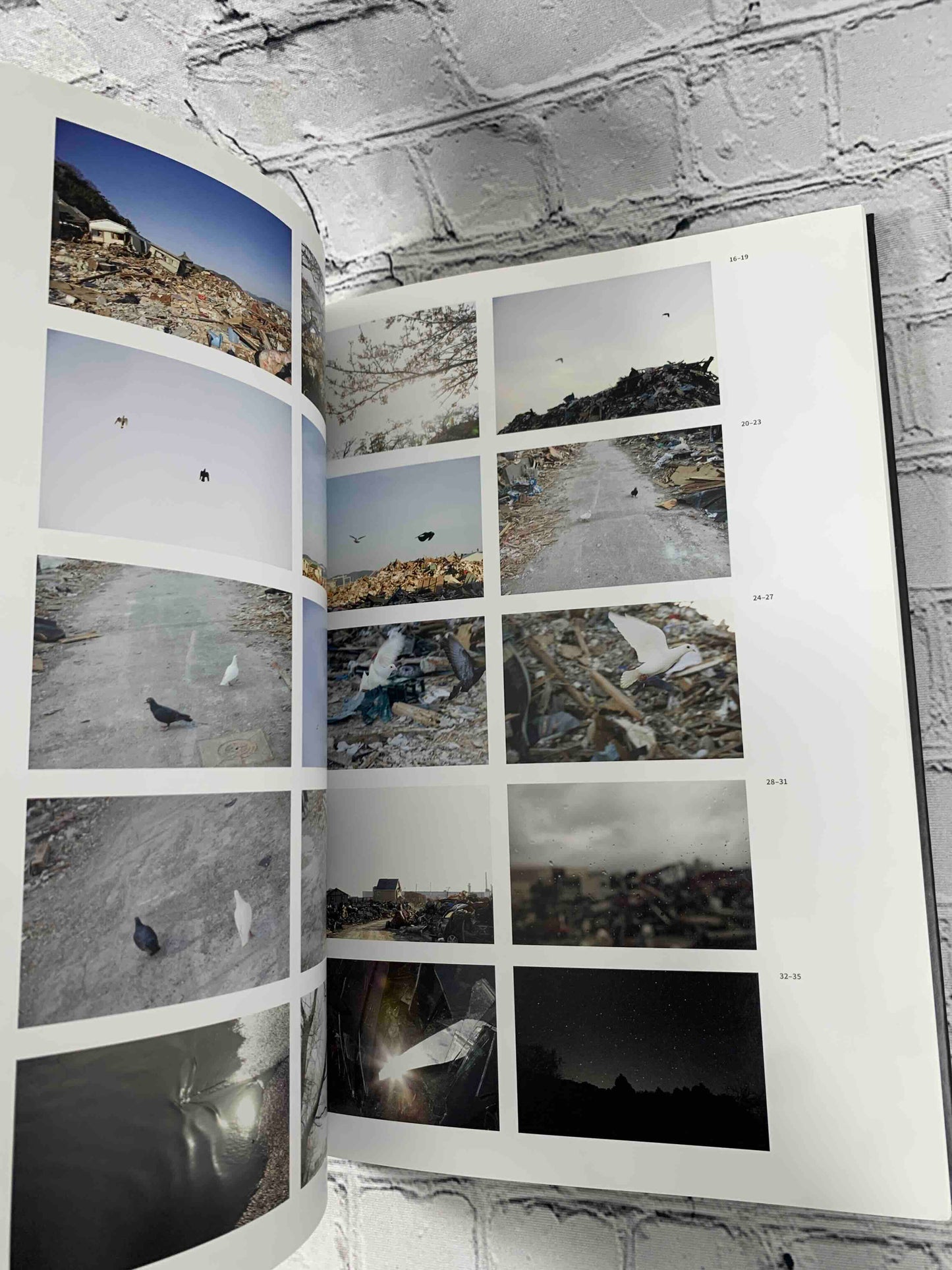
The catastrophic events of March 11, 2011―the earthquake, tsunami and ensuing nuclear meltdown of the Fukushima Daiichi Nuclear Power Plant―have been called "the triple disaster" in Japan. Among the first artists to respond to these experiences were photographers. Some attempted to document the devastation, while others ruminated on the meaning and use of photography in the wake of tragedy. As the immediate effects of the earthquake and tsunami gave way to nuclear disaster, artists began to respond to the challenges of depicting an invisible threat that calls up the collective memory of Hiroshima and Nagasaki. Artists include Takashi Arai, Nobuyoshi Araki, Ishu Han, Naoya Hatakeyama, Takashi Homma, Kikuji Kawada, Rinko Kawauchi, Keizo Kitajima, Kozo Miyoshi, Masato Seto, Lieko Shiga, Shimpei Takada, Masaru Tatsuki, Daisuke Yokota and Tomoko Yoneda.
Shipping & Returns
Shipping & Returns
Shipping costs are calculated based on the weight of the item and the delivery location. We ship via Media Mail or Ground Advantage through USPS.
Shop with Confidence!
We stand by the quality of our books. If for any reason you’re unsatisfied with your purchase, we offer a 100% full refund along with free return shipping.
Share


Book Condition Scale
-
Like New
This book is in excellent condition and appears to have been read only once. The pages are clean and unmarked, with no creases or stains. The binding remains firm and tight. There may be minimal signs of shelf wear on the cover or dust jacket, but overall, the book looks and feels nearly new.
-
Very Good
This book has been read but remains in great condition. It does not look new, yet there is no obvious damage to the cover. Wear and tear are minimal. The pages are clean, free of highlighting or notes, though it may contain identifying marks from a previous owner or bookstore.
-
Good
This book shows moderate to heavy signs of wear that can include creases, stains or tears. The cover may have minimal damage, and the binding remains intact with slight wear. The majority of pages are undamaged, though there may be some highlighting, underlining, or notes. It may also contain identifying marks from a previous owner or bookstore.
-
Acceptable
This book shows significant wear, which may include tears, large stains, creases, loose pages, and heavy notes, underlining, or highlighting. The binding may be loose but remains intact. While it has noticeable imperfections, it is still a complete and readable copy. Any major defects will be clearly noted in the listing.
-
As Described
This book is visibly worn and may be heavily soiled, scuffed, stained, or spotted. It may have loose joints, hinges, or pages, and some text or pages may be missing. Large tears and other significant defects may be present. While still a readable copy, it shows substantial signs of use. Any major flaws will be clearly noted in the listing.
-
Dust Jacket Grading
(A) Excellent
The dust jacket is in excellent condition, may show the slightest signs of shelf wear, if any.(B) Good
Shows minor shelf wear, usually along edges and may have a few light stains.(C) Fair
Displays moderate shelf wear, including some noticeable small tears, creasing and/or stains.(D) Poor
Contains large tears, several creases, and/or heavy staining.(F) As Is
Shows significant wear and tear. Majority of dust jacket is torn or missing. May contain heavy staining.
